


What Are The 6 Fire Classes?
Fire classes are a critical part of understanding fire safety. They categorise fires based on the material that ignites, helping in selecting the appropriate fire extinguisher. By familiarising yourself with these classes, you can better assess fire risks and choose the right firefighting equipment.Class A Fires
These involve ordinary combustibles such as wood, paper, and textiles. These are the most common types of fires. Class B Fires These involve flammable liquids like petrol, oil, and grease. Class C Fires These involve flammable gases, including propane and butane. These fires can be particularly hazardous due to the explosive nature of gases. Class D Fires These involve combustible metals such as magnesium, titanium, aluminium and sodium. These fires are rare but extremely dangerous. Class E Fires Class E doesn’t actually exist but is sometimes used to refer to electrical risk fire fighting equipment. Class F Fires These are specific to cooking oils and fats, common in kitchens.Understanding the Different Types of Fire Extinguishers And When To Use Them
Fire extinguishers are your first line of defence in a fire emergency and they come in various types specifically designed to tackle different kinds of fires. Each type of fire extinguisher contains a unique extinguishing agent that is effective against certain fire classes. Selecting the appropriate extinguisher depends on assessing the fire risk in your environment. Fire extinguishers are categorised based on the extinguishing agent they contain. These are:Water Fire Extinguishers
- Mainly used for Class A fires (ordinary combustibles like wood, paper, textiles)
- Not suitable for flammable liquids, gases, or electrical fires
- Often come with a 35Kv rating which means they have passed a conductivity test and are considered safe for inadvertent use on electrical equipment. They are not designed for intended use to tackle electrical fires
Foam Fire Extinguishers
- Effective on Class A fires (ordinary combustibles)
- Also suitable for Class B fires (flammable liquids) by creating a barrier between the fuel and the flame
- Not recommended for gas or electrical fires
- They typically carry a 35Kv rating, indicating they’ve passed a conductivity test and are deemed safe for accidental contact with electrical equipment. However, they are not specifically designed or intended for use on electrical fires
Dry Powder Fire Extinguishers
- Multi-purpose: suitable for Class A, Class B and Class C fires
- Especially useful for Class C fires involving flammable gases like propane and butane, though due to the high risk of explosion with these fires, they should only be tackled by experienced people or as a last resort
- Can also be used on electrical fires, although they leave residue and may damage equipment
- Work by smothering the fire and interrupting the chemical reaction
- While often considered a solution for every fire, consideration should be given to the mess created when used as well as the potential to inhale the powder in enclosed spaces.
CO2 Fire Extinguishers
- Best suited for electrical fires involving electrical equipment, as CO₂ is non-conductive and leaves no residue
- Can also be used on Class B fires (flammable liquids), as CO₂ displaces oxygen and smothers the flame though care should be taken as to avoid spreading flammable fuels
- Not effective on Class A (solids) or Class F (cooking oils) fires
Wet Chemical Fire Extinguishers
- Specifically designed for Class F fires (cooking oils and fats)
- They cool the fire and form a soapy layer over the oil to prevent re-ignition
- Can also be used on Class A fires in some cases
 The Importance of Fire Extinguisher Colours And Colour Coding
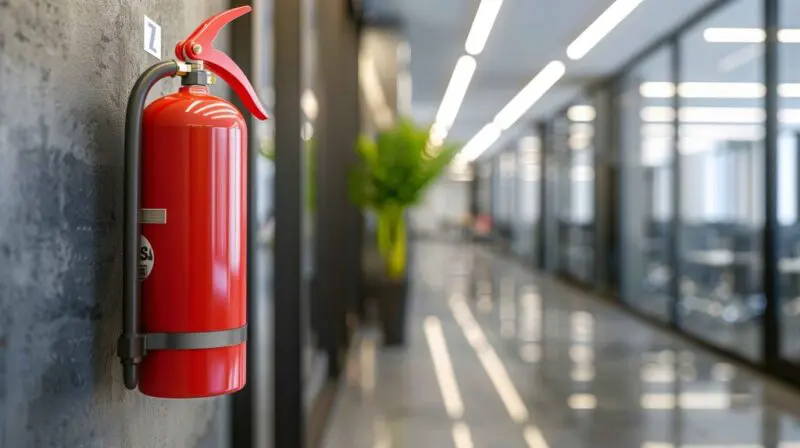
Colour coding in fire extinguishers is a vital aspect of fire safety, aiding in the quick identification of the type of extinguisher needed in an emergency. Each fire extinguisher type has a distinct colour label that corresponds to the extinguishing agent it contains. This system, specified by the British Standards Institution, ensures that you can promptly select the right extinguisher when seconds count.
The primary colour for most fire extinguishers is red, which is the standard body colour. However, it's the coloured label on the extinguisher that indicates its type.
- Red label - water extinguisher, ideal for Class A fires
- Cream label - foam extinguishers, effective on Class A and B fires
- Blue label - dry powder extinguisher, suitable for Class A, B, and C fires
- Black label - CO2 extinguisher, often used for electrical fires
- Yellow label - Wet chemical, used for cooking oils and fats
Choosing The Right Type of Fire Extinguisher For Your Needs
Selecting the right type of fire extinguisher for your needs is crucial for effective fire safety. By assessing the fire risks in your environment, you can determine the appropriate extinguisher type and be as prepared as possible. Whether you're a business owner or a homeowner, understanding the fire hazards you face is the first step in choosing the right extinguisher. For business owners, considering the environment and fire hazards is essential for selecting the appropriate extinguisher type. Industrial settings, for example, may require a mix of foam and dry powder extinguishers to address both flammable liquids and gases. Homeowners, on the other hand, should identify common fire risks in their property, such as ordinary combustibles and cooking-related fires, to select the right extinguisher. Often overlooked is the weight of fire extinguishers. A 9L water fire extinguisher often weighs around 14kg (30lbs) which for some people can be difficult to carry to the location of the fire. Consulting our fire safety professionals at Mercury Security can also guide you in extinguisher selection, ensuring that you have the right tools for your specific needs. We can assess your environment, identify fire hazards and recommend the most suitable extinguishers for your situation alongside your fire risk assessor. Alternatively we work with reliable independent fire risk assessors to help guide our clients.Regular Maintenance And Inspection of Fire Extinguishers
Regular maintenance and inspection of fire extinguishers are essential for ensuring their functionality in an emergency as well as compliance. By routinely checking pressure levels and the physical condition of extinguishers, you can ensure that they are ready for use when needed. Professional servicing is also crucial for compliance with safety regulations and maintaining the effectiveness of your fire safety equipment. Expired extinguishers must be replaced to maintain readiness. Over time, extinguishers can lose pressure or become damaged, rendering them ineffective. By keeping track of expiration dates and replacing outdated extinguishers, you can ensure that you're prepared for any fire emergency. Businesses are also required to maintain a log of extinguisher checks. By using leading industry asset tracking technology, we log information about our clients extinguishers and key dates for compliance. This means we worry about when to replace your extinguishers, not you.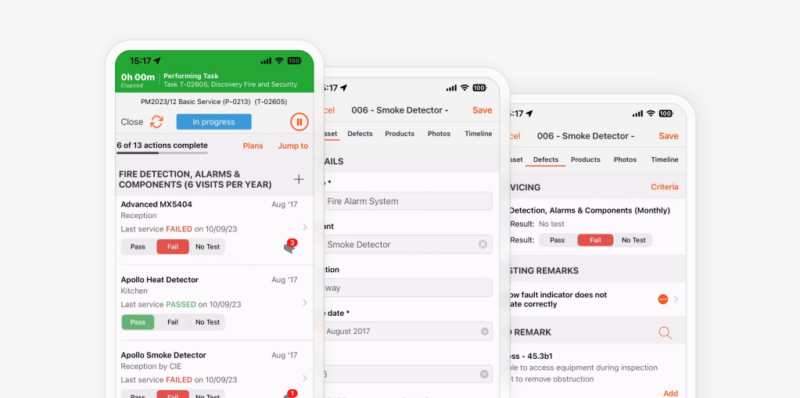 Typical servicing requirements are:
- Annual inspection
- This covers an inspection of your fire fighting equipment, logging dates and ensuring hoses and seals are in good condition and gauges are operating correctly. Seals are replaced where required and extinguishers are checked for damage.
- Extended Service (ES)
- CO2 - A pressure test is required every 10 years and units are typically replaced at this stage.
- All other extinguishers require an extended service (ES) every 5 years. This can be done on site, though it is most common to do this on an exchange basis where you receive a new unit and the old units are sent for refurbishment.
 In conclusion, understanding the different types of fire extinguishers and their applications is crucial for effective fire safety. By familiarising yourself with fire classes, colour coding and extinguisher types, you can enhance your preparedness and ensure that you have the right tools for any fire emergency.
Key Takeaways
- Learn about the different types of fire extinguishers and their specific uses
- Understand fire classes and how they relate to fire extinguisher types
- Discover the importance of colour coding in identifying fire extinguisher types
- Find out which extinguisher is best suited for different environments
- Ensure regular maintenance and professional checks of fire extinguishers
You may be interested in

4 minute read
When and How To Use a Fire Extinguisher: A Complete Safety Guide
Learn when and how to use a fire extinguisher safely and effectively.
Read more

4 minute read
The Best Burglar Alarm Systems 2025
Understand the best burglar alarm systems on the market and our recommendations.
Read more

4 minute read
BS 5839-1:2025 Explained: Your Guide to Fire Alarm System Standards
Discover what’s new in BS 5839-1:2025.
Read more